

A longtime Northerner embarks on a journey to discover what makes the North, the North.
I have lived in the North for almost two decades. Compared to some others, that might not be long, but it has been most of my life. Whenever someone asks me what is there in the North, my most common reply would be “JB”.
But that’s doing a disservice to an area that has a rich history. Back when Singapore was still a crown colony, the North was quite happening, as it was our connection to the greater Malayan hinterland.
Besides, what sort of Northerner would I be if I did not know my own backyard? Motivated to understand the place and history of the North, I decided to take on the Woodlands Heritage Trail curated by the National Heritage Board.
A Garden City
The North, being the gateway between Singapore and Malaysia, has seen its fair share of history. When the Causeway was built in 1924, it connected the two countries, enabling trade and transport. When the British blew the Causeway up in 1942, the Japanese invaded via Kranji, who then built a prisoner-of-war camp on what is now the Kranji War Cemetery.
Pristine white graves dot the rolling hills of wonderfully manicured grass and carefully arranged flowers of all colours. Walking through the well-kept cemetery is beautiful in two ways—it is both pleasant and poignant.
Overlooking all of it is the Singapore Memorial, designed to look like a World World II fighter plane, etched with the names of the twenty-four thousand who died without graves during the war. Looking out from the steps of the Memorial, traces of modern Singapore pop out beyond the treeline, the juxtaposition a reminder of what it has taken for us to have come so far.
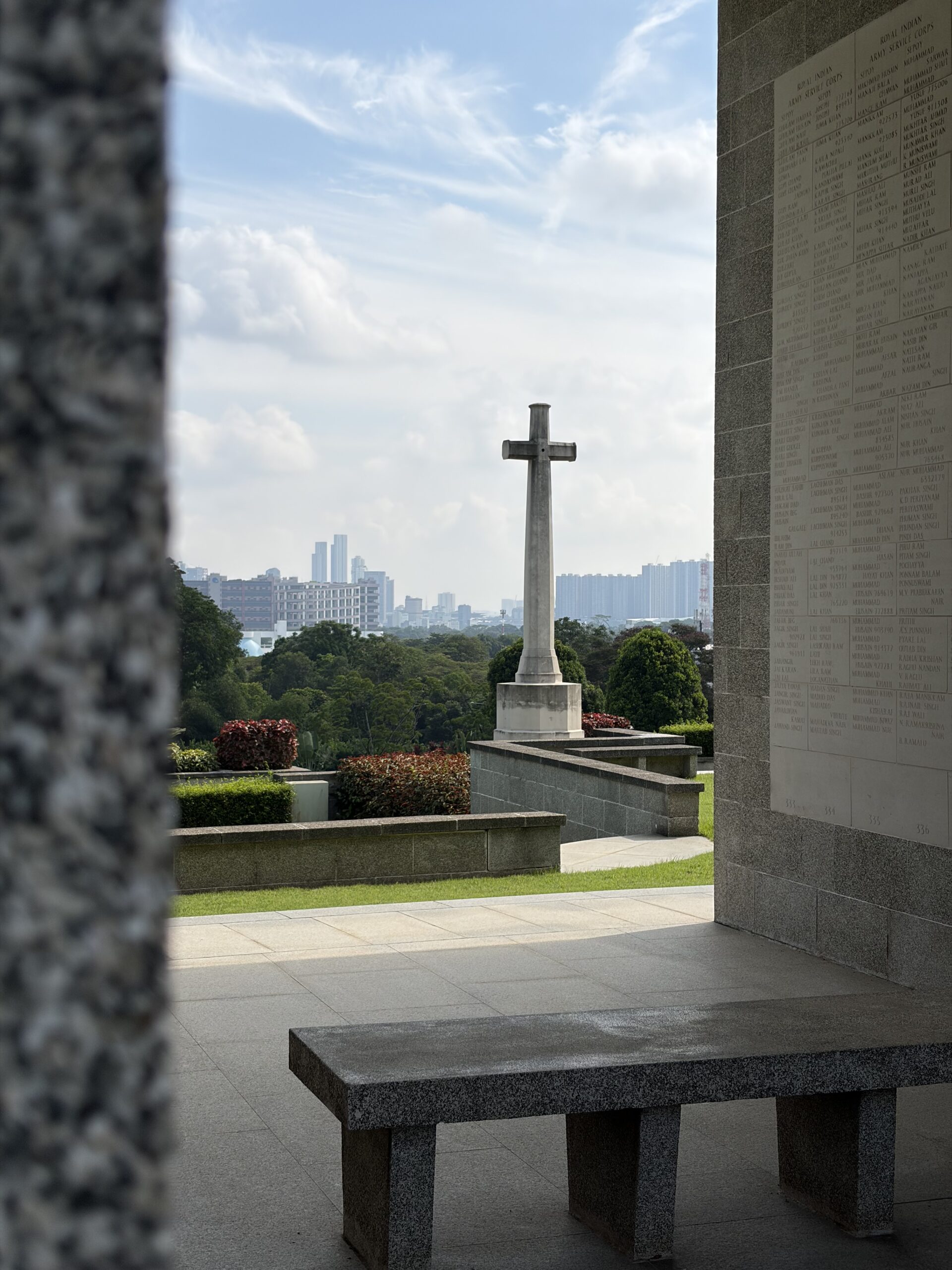
I left the fallen to their quiet repose, wondering what they would think of Singapore and the North today.
A Not-So-Quiet Place
A common thing to say about living in the North is that it is “quiet”. That is, that there’s not much going on. As the trail took me through Kranji, Marsiling and Woodlands, I barely had to share the void decks, pavement, and roads with other walkers. Maybe it was the midday sun, maybe the North truly is “quiet”, but there were signs of life wherever you looked hard enough.
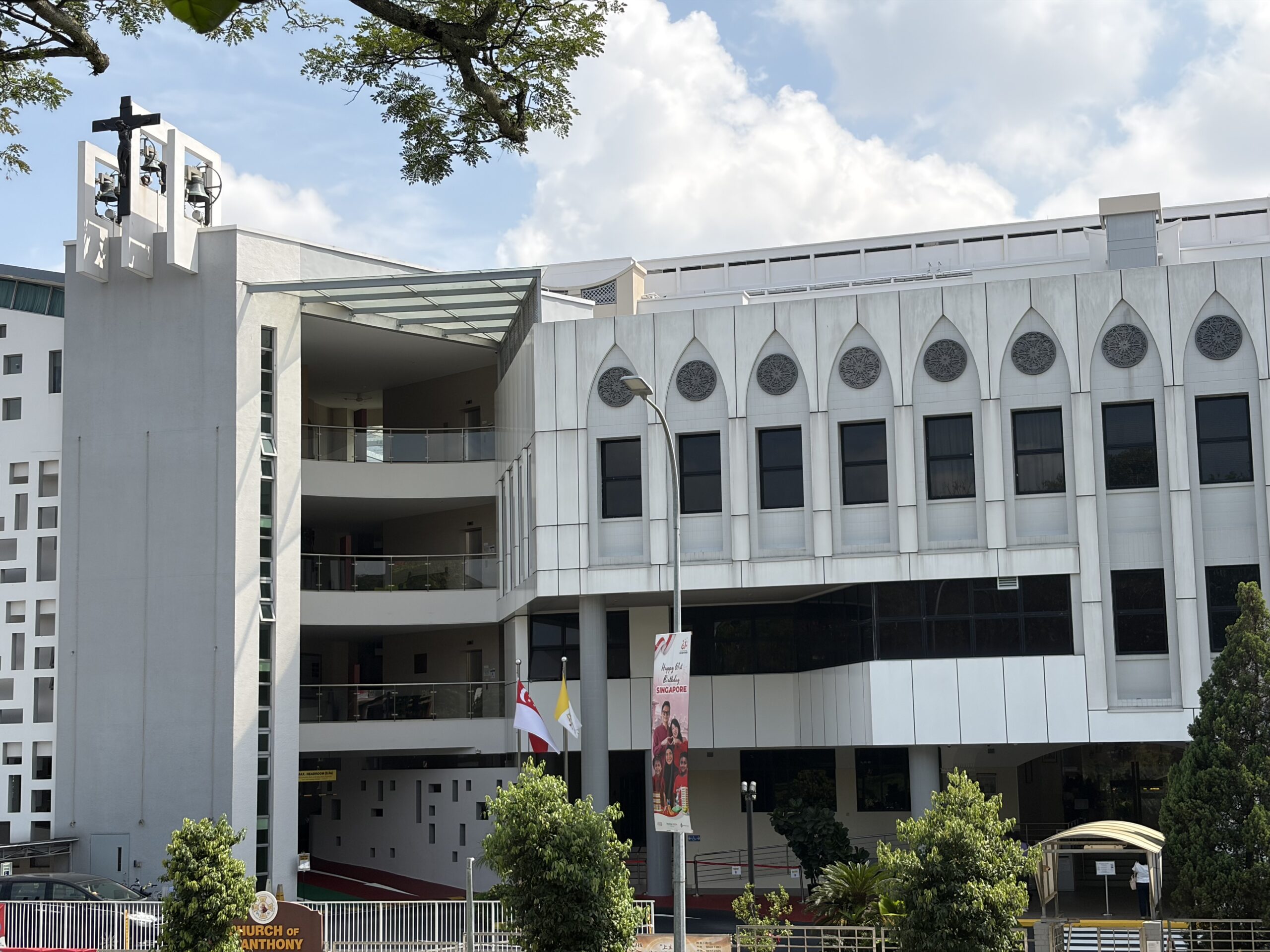
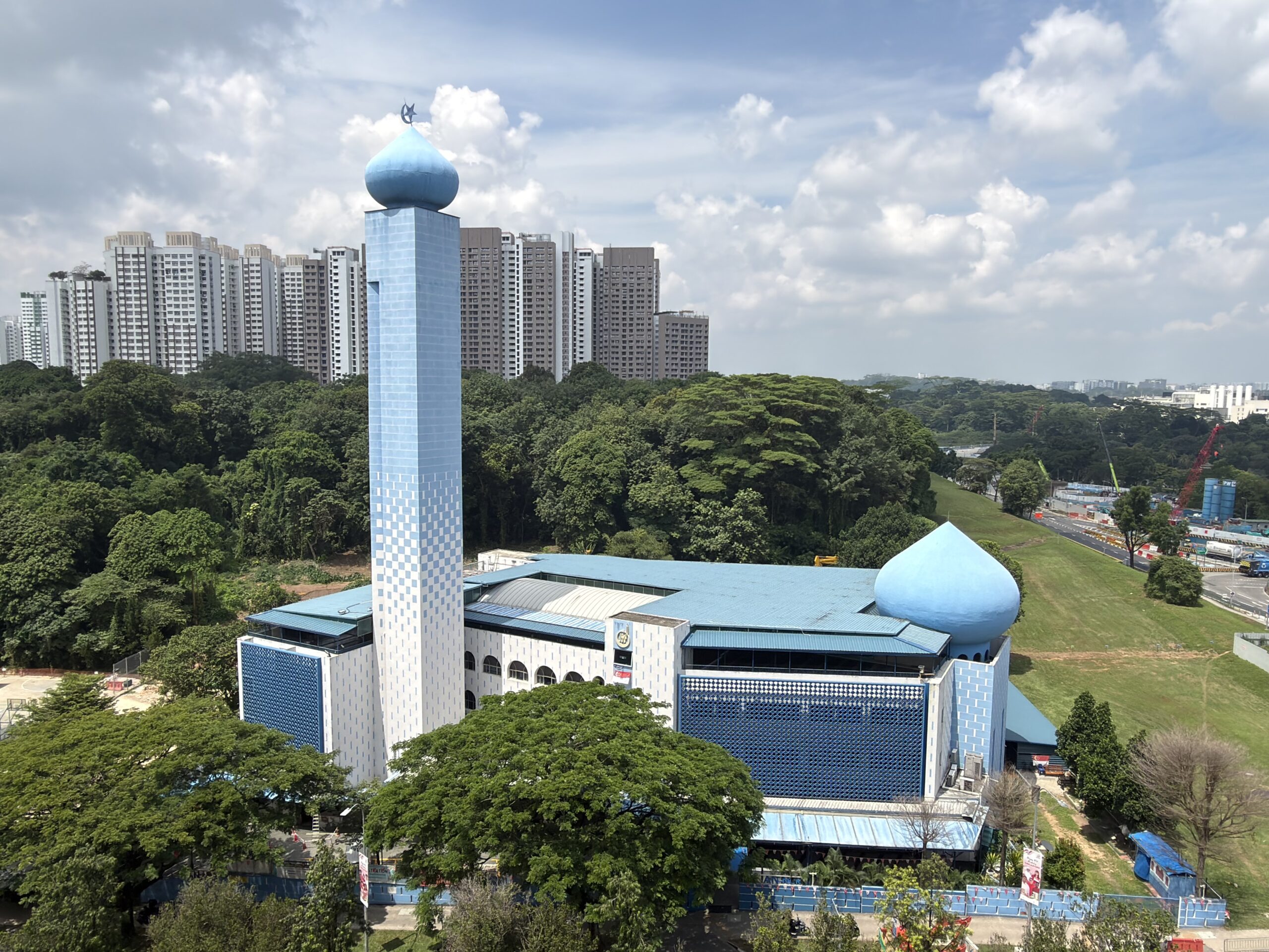
The heritage trail brings trailblazers to one church, one mosque, and three temples—one Hindu, two Taoist. It was easy to tell that I was reaching each of them, since I would see streams of people flowing towards these places of worship. There, in the quiet of the North, are signs of life—bustling, joyful, united.
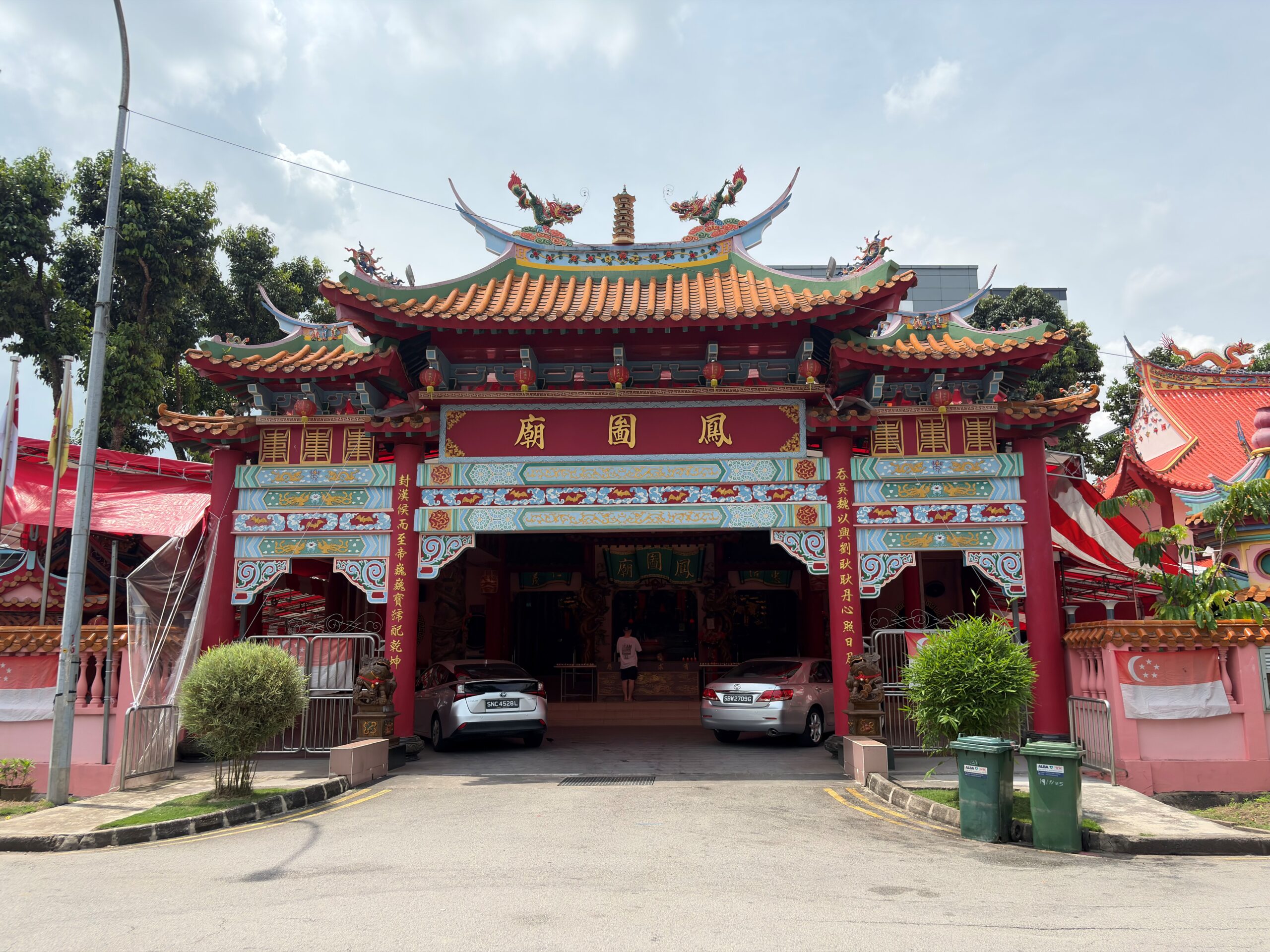
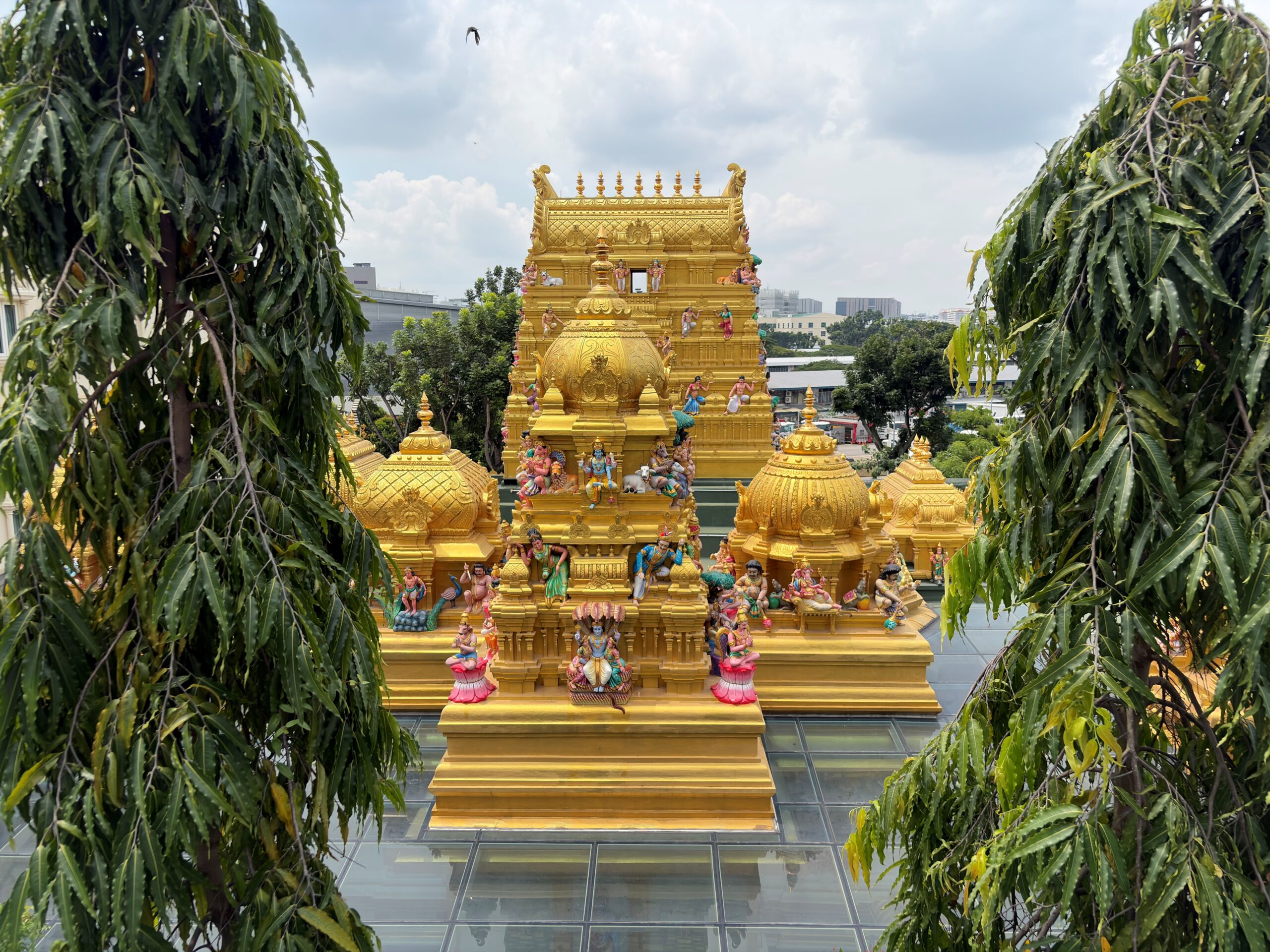
Beyond serving as centres of community, these five places share a common identity trait—they all trace their roots to early settlements. The Church of St. Anthony of Padua came from a Chinese Catholic settlement in Mandai; Masjid An-Nur, the towering “Blue Mosque”, was the first mosque built in Woodlands after kampong prayer halls became too small for the population; Shang Di Miao Chai Kong Temple and Hong Tho Bilw Temple were first established in former villages in Woodlands, and now stand side by side; Sri Siva-Krishna Temple traces its roots back to 1924, when Ceylonese Tamils established a shrine near the causeway.
The North is not as quiet as you would think. It took me a lunch pit-stop at Marsiling Lane Food Centre to show me that whenever there is food, there are Singaporeans. It took a while to navigate past snaking queues and packs of tissue paper on tables to finally get a seat for myself. By the time I sat down with my food, it was well past noon.
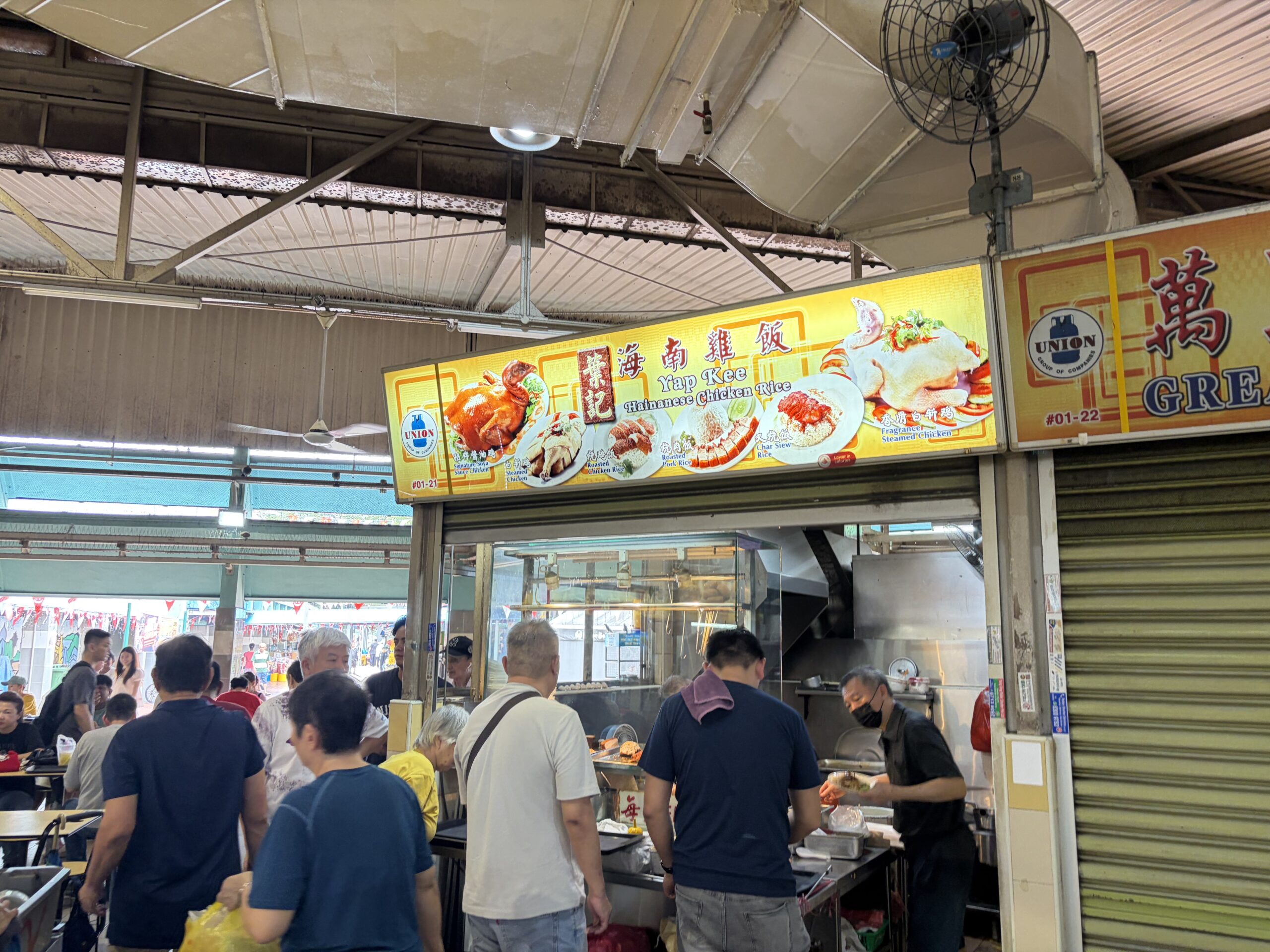
As I enjoyed my lunch (steaming hot white carrot cake, large, with chilli), the crowd was starting to thin and some stalls were closing for the afternoon. It was clear that this food centre was one of those morning markets, best enjoyed with a late breakfast or an early lunch. By the time I was done, many tables were empty and quite a number of stalls were also done.
Okay, fine, the North is kind of quiet.
Do It Yourself
At the start of the trail, I wanted to find a definitive answer to the question, "what makes the North special?” On the surface, Singapore is small and relatively young, so I wasn’t sure if there was anything special about the North specifically. Truth be told, it is easy to walk past all the various landmarks in the trail and think nothing of them. Most of them don’t have an information board explaining the history of the place (though helpfully, NHB has placed some along the trail).
What made the trail interesting was not just going to see the places listed, but doing the accompanying reading (NHB provides a comprehensive booklet chock-full of interesting facts). It was knowing the history of these various places that made the trail a compelling activity. It is fascinating to ascend the Viewing Tower in Marsiling Park, but it is profound to know that you are a part of the many generations that have admired the view since the park first opened as Woodlands Town Garden, the first park in Woodlands, in 1983.
So, what makes the North special? At risk of sounding trite: you make the North special. As humans, we find our own meaning and our joy. This trail cannot give us the answer, but it gives us the opportunity to find it.
—A longtime Northerner
If you are interested in trying the trail for yourself, or want to read more about Woodlands, visit https://www.roots.gov.sg/places/places-landing/trails/Woodlands-Heritage-Trail to find out more. Much of the information in this article has come from this resource.