

By the Hills
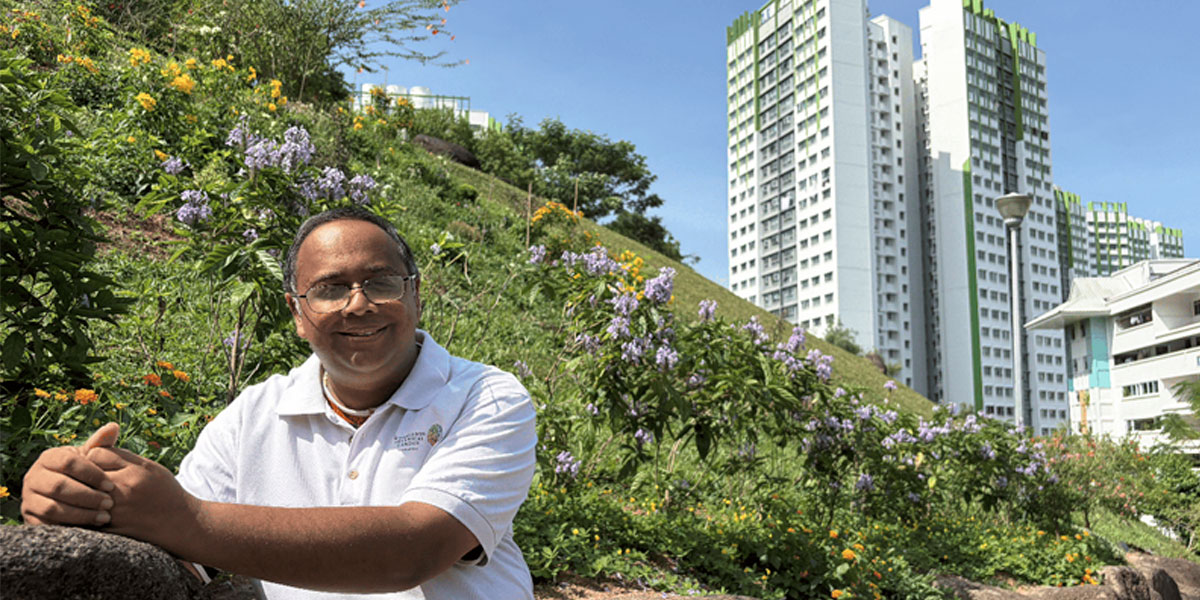
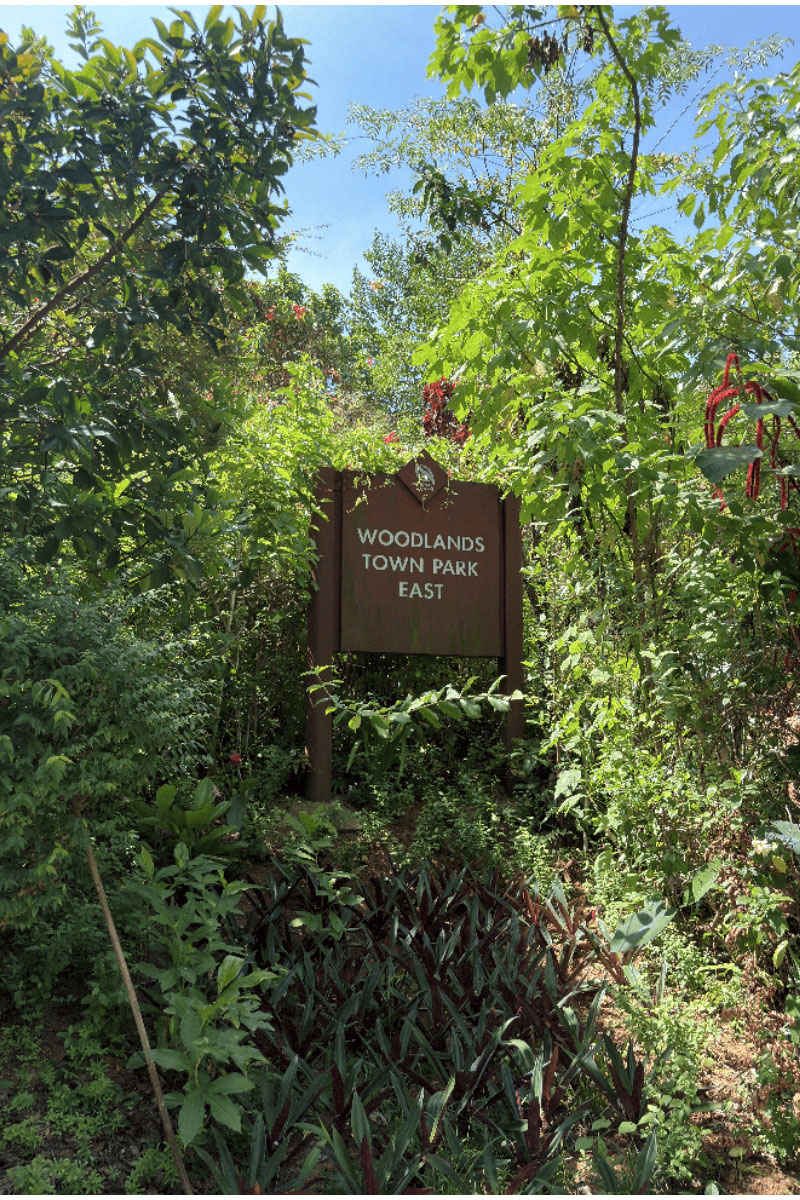
Growing quietly at the boundary between Woodlands and Marsiling is the marvelous Woodlands Botanical Garden (WBG) located on the grounds of the Woodlands Town Park East. It is the labour of love of nearby resident Mr. Ganesh Kumar and other community volunteers.
Ganesh never intended to start a community garden. In June 2020, he was simply looking for a way to work through the grief of losing his mother and decided that he would add a pop of colour to the hill opposite his flat by planting a pink hibiscus.
Ganesh was no stranger to gardening. Though a chemist by training, Ganesh has been a lifelong gardener. He recounted learning how to garden from his grandmother. Back when he was two, his grandmother gave him a test to see how serious he was about the whole endeavour. The plant that his grandmother gave him: the same pink hibiscus.
Shade and Song
Ganesh jokes that the first memory that most people have of the garden is getting lost. Getting to the garden is no easy feat. The easiest way is to take Bus 913 from Berth 13 of Woodlands Regional Interchange towards Marsiling (NOT Berth 3—an easy but costly mistake to make). On the WBG website, there is an extensive walking guide to teach visitors how to get to the garden once alighting at Block 137.
Though the garden might be hidden behind some HDB blocks, it is likely you’d hear the garden before you see it. Birdsong and insects buzzing can be heard as you approach the vicinity of the garden—sounds that make you think you’re at the Zoo, or at the Singapore Botanic Gardens. Guided by the wonderful sounds of life, you’d soon find yourself at the base of the Woodlands Town Park East, or as everyone calls it: Woodlands Botanical Garden.
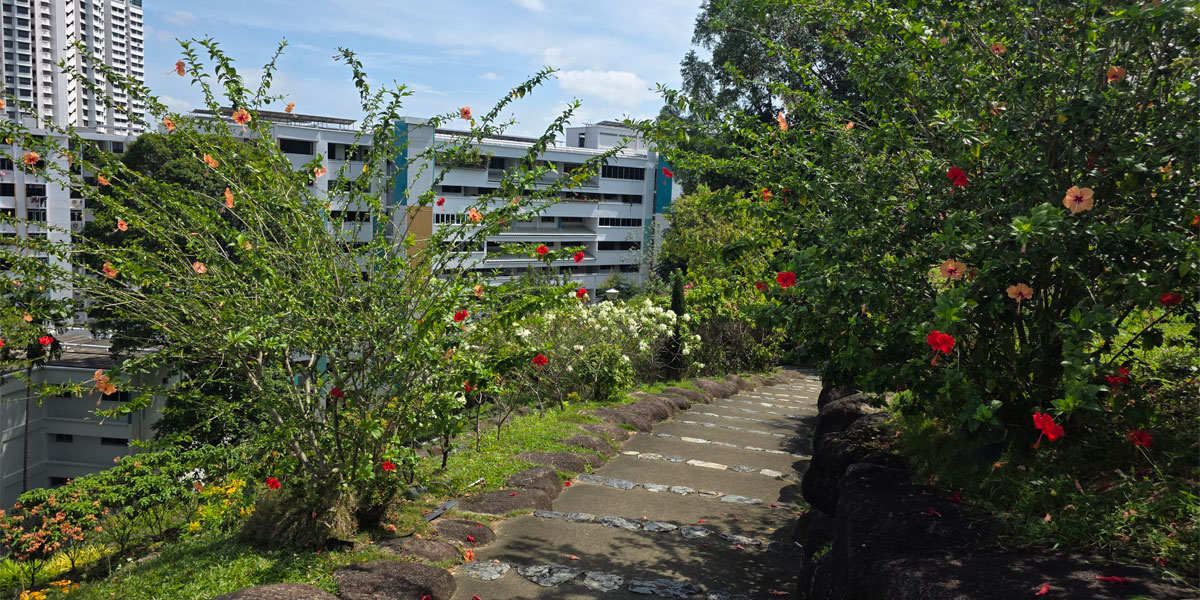
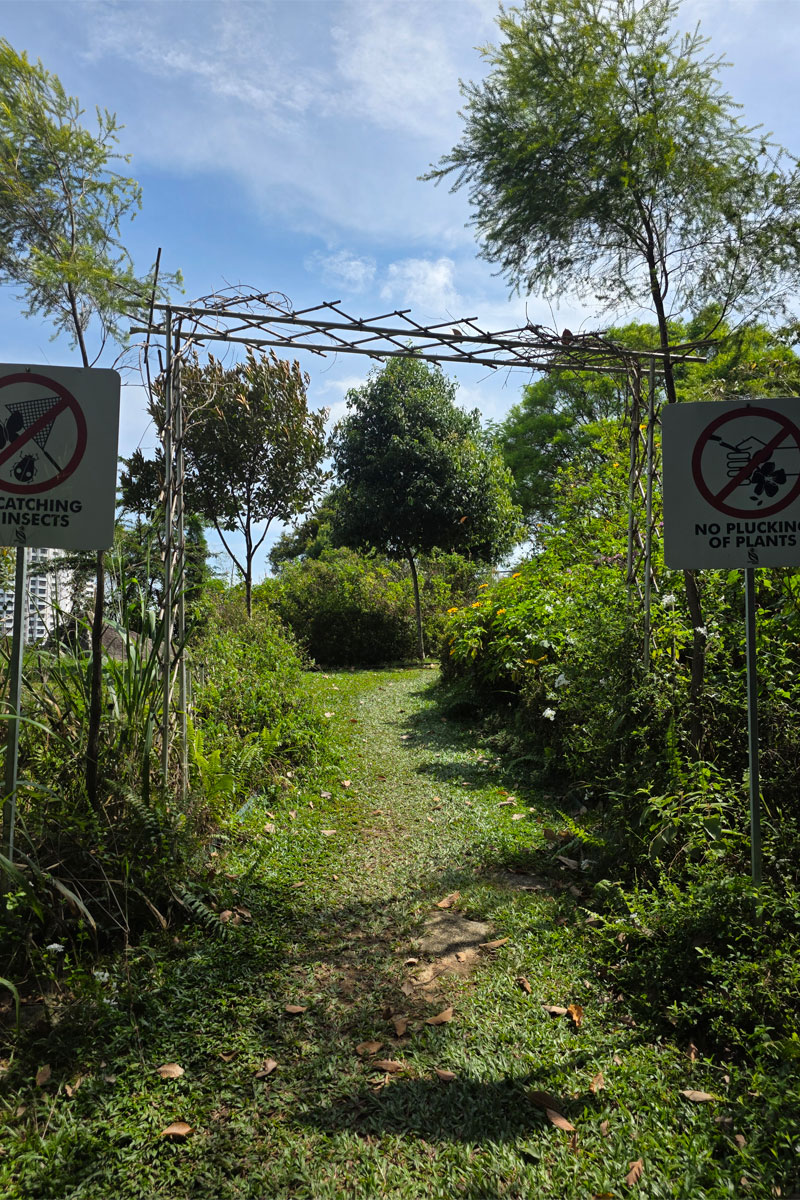
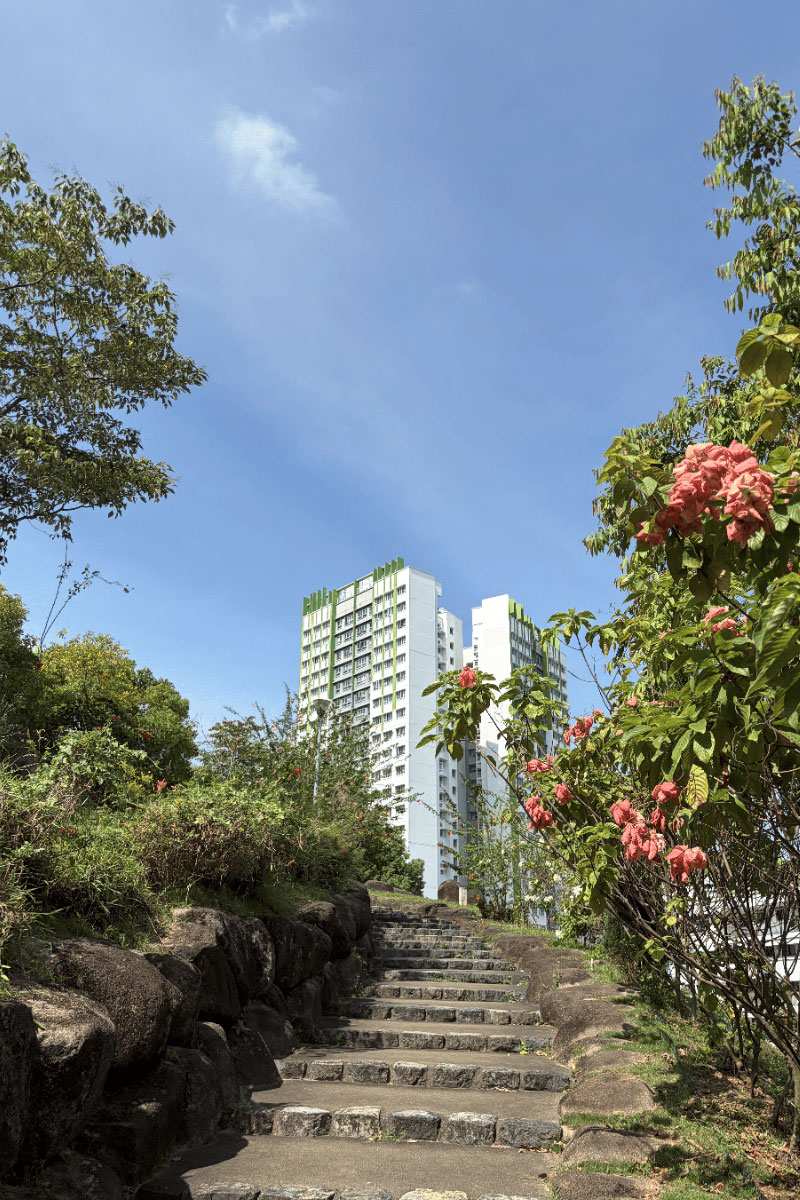
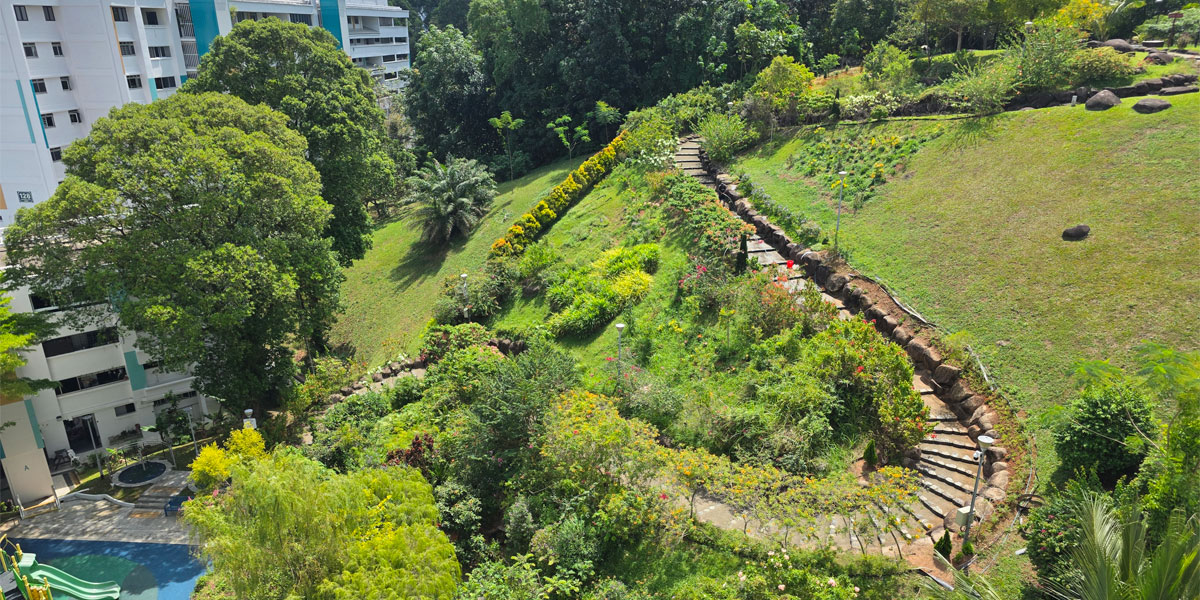
A snaking granite stone path takes you up from the base of the hill to the top. Before WBG, Ganesh noted that there were few seniors that made the long climb to the top. Some even questioned why he decided to start planting at the top of the hill, complaining that they would need to climb all the way up to see the flowers.
“No choice, you have to climb,” Ganesh told the seniors.
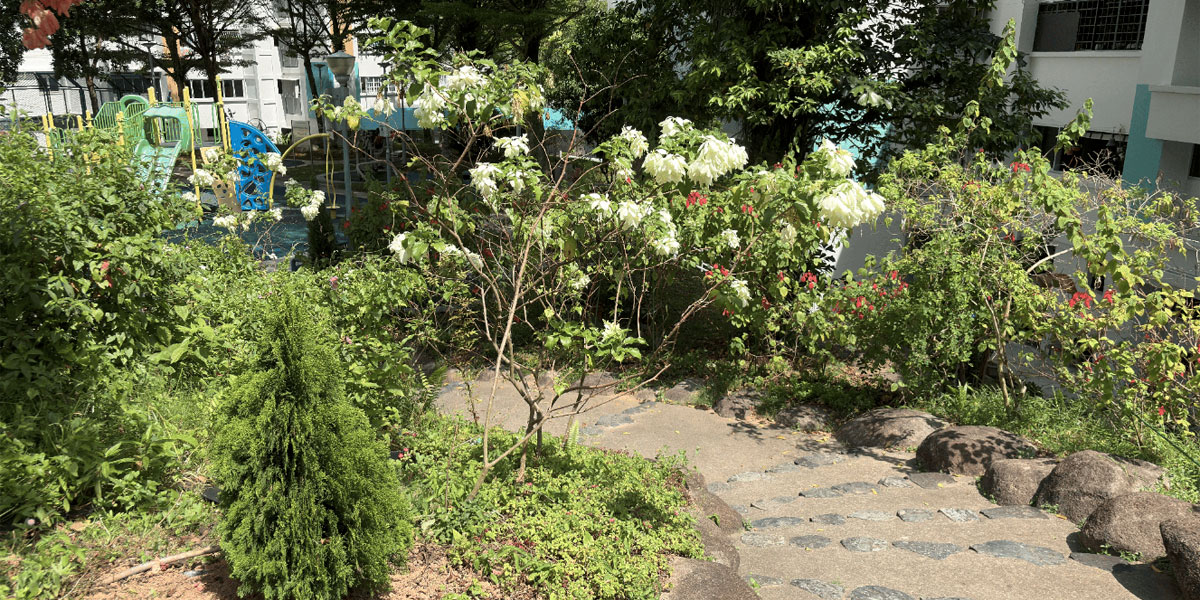
Thanks to Ganesh’s efforts, the climb is no longer as arduous. Plants and trees provide shade and flowers and butterflies provide amusement as you climb to the top. The climb is so pleasant that you would unknowingly surmount the nine-storey—yes nine storeys!—hill. Ganesh noted that the garden has given seniors a reason to come to the park, and a place to meet one another. He likes to connect the regulars with one another, making the garden a place more than just about growing plants, but also about growing community.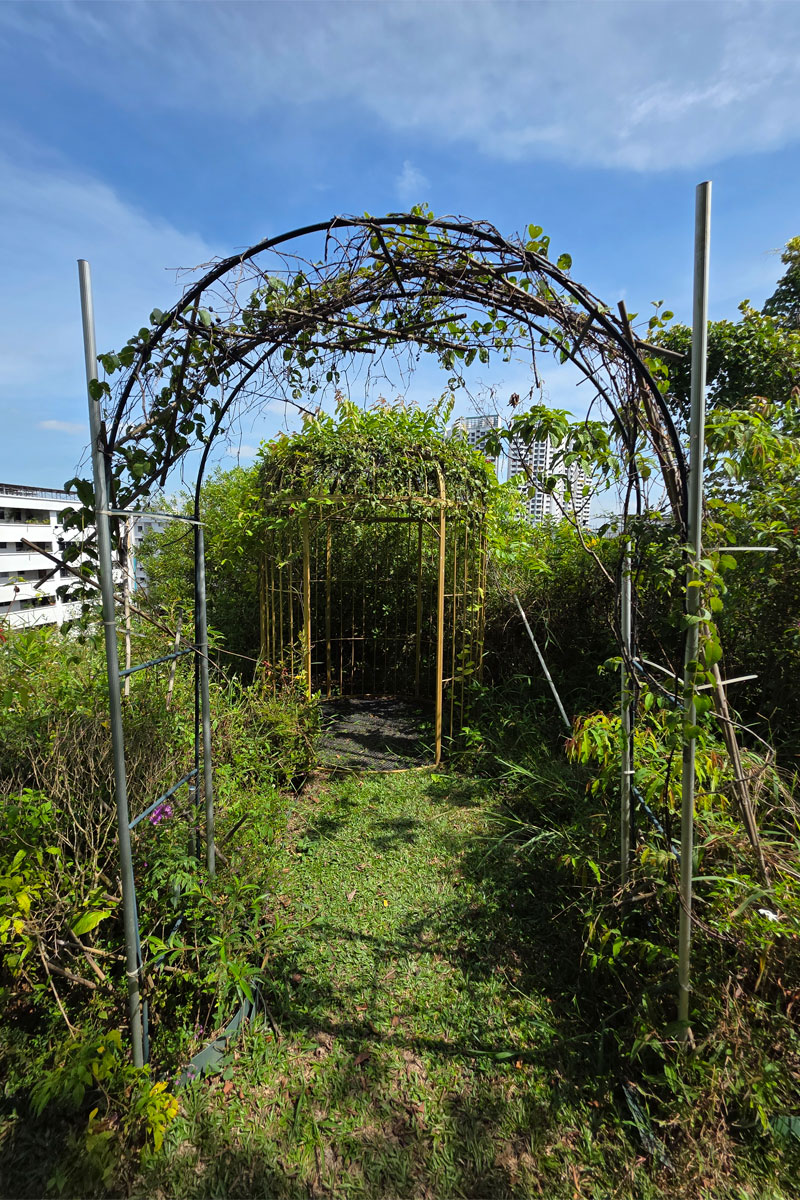
If You Grow It, They Will Come
Ganesh’s hard work to upkeep WBG has borne fruit. Even as early as December 2020, six months after he planted that fateful pink hibiscus, the garden had grown enough and attracted enough attention from volunteers that Ganesh, together with a volunteer that stayed nearby, started planning for a concert. However, due to COVID-19, plans had to be shelved. But that would not put him down for long. Since 2021, Ganesh has organised concerts in the park. In 2025, WBG played host to two concerts—one in June featuring more contemporary music, and one in December featuring traditional music.
Everyone involved in the concerts were volunteers. From the musicians to the ushers, no one was paid to organise the event, not even Ganesh. He even offered to pay for the transport costs for the musicians, but not many took him up on the offer. They were willing to carry their instruments up nine storeys on foot to bless the community with music. Like the birdsong and insect sounds, this music attracted nearby residents to drop by and enjoy the community and the garden.
Beyond concerts, Ganesh works with volunteers to organise tours, events, and talks for those interested in community building and biodiversity conservation. In 2025 alone, around 1,300 participants signed up for events held in WBG. Despite the packed calendar, Ganesh insists that the events must be free and serve the garden’s purpose of building community and biodiversity.
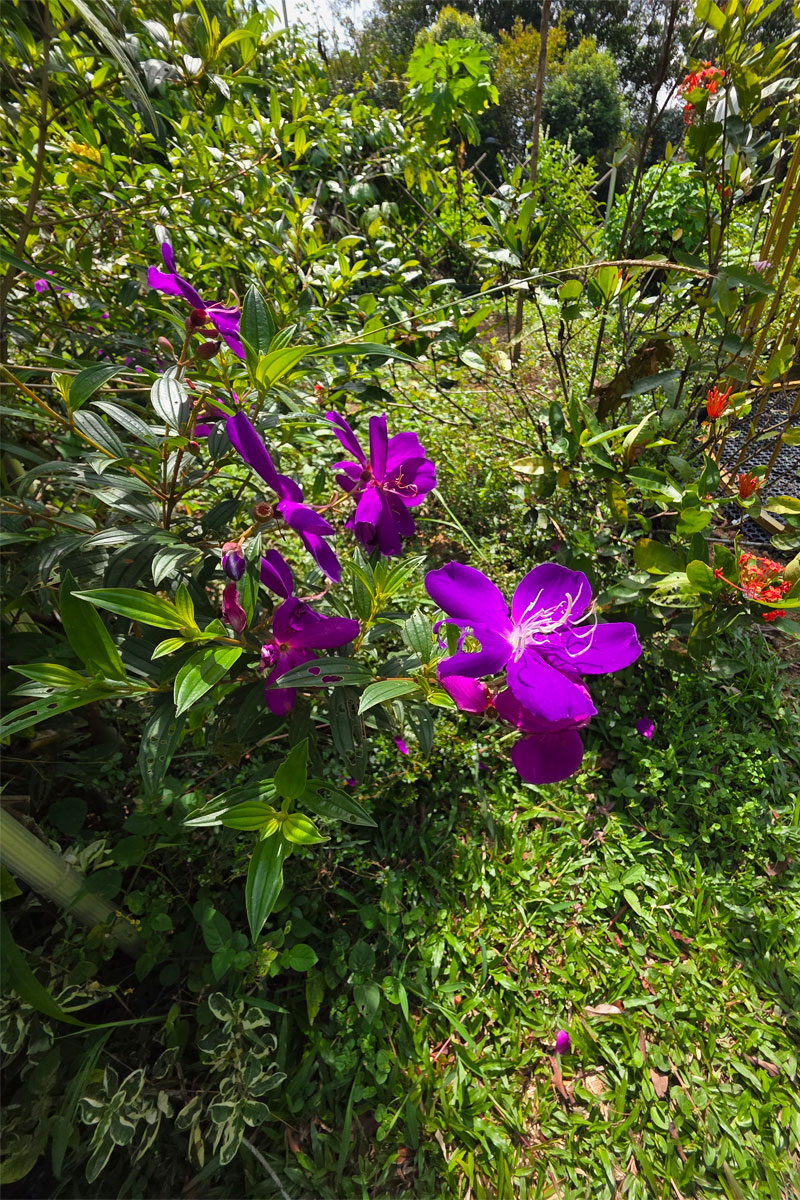
Due to the focus on biodiversity, humans aren’t the only visitors to WBG. The garden is a butterfly haven, with various seldom-spotted species. In 2025, monthly BioBlitz events held by volunteers encouraged community members to catalogue the flora and fauna of the garden. There are many fascinating species of butterflies that flit about the garden, such as the fast-zipping eye-catchingly blue Common Bluebottle butterfly. With the help of volunteers, the WBG website is updated with a catalogue of all the butterflies (and other fauna) that have been spotted fluttering amongst the flowers.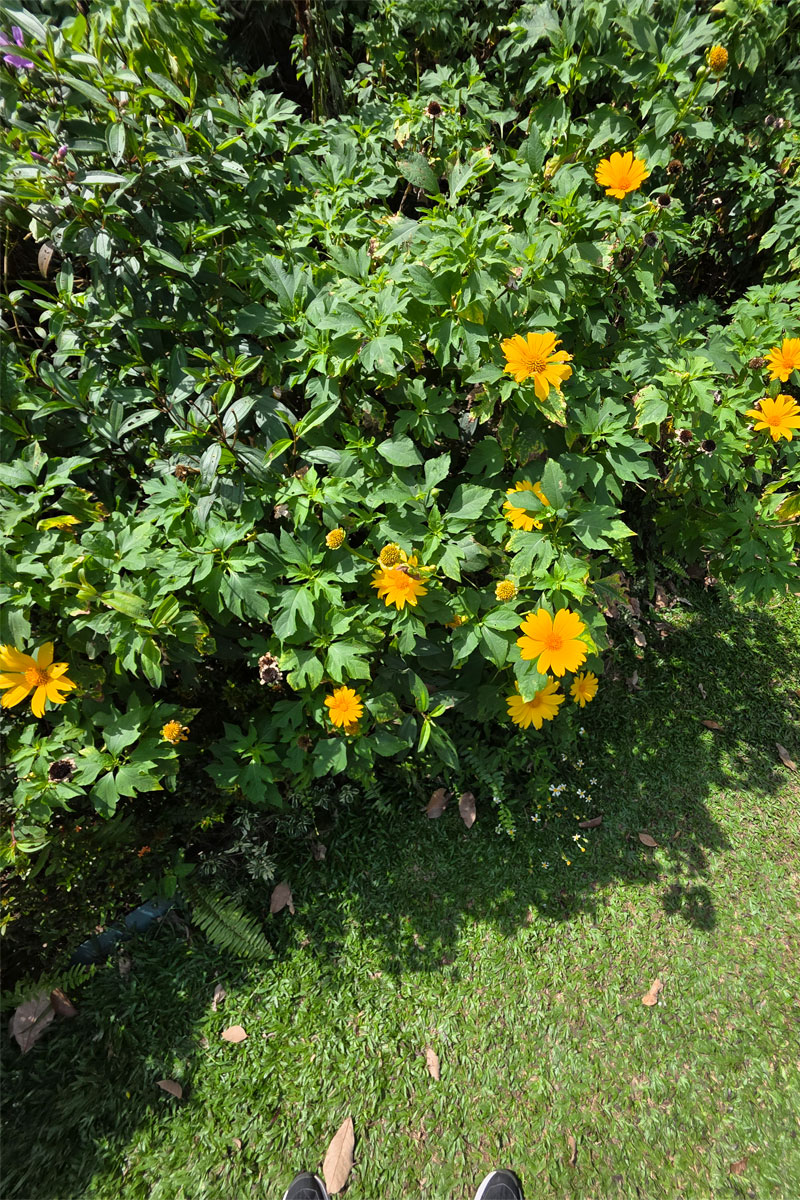
Long and Slow
Woodlands Botanical Garden is not just a testament to Ganesh’s gardening ability but to the power of community volunteers. It is no secret that sustaining a volunteer community is hard work, but Ganesh never seems to lack the hands and feet to get things done. So what is his secret?
A long and slow approach.
Ganesh doesn’t maintain a WhatsApp group of volunteers, or go around canvassing Instagram for helpers. He simply shows up on Saturday mornings and works with whoever shows up that day. He doesn’t micromanage, he doesn’t track attendance. He lets things play out organically. His advice to volunteers on what to do on a rainy day? “Raining just don’t come.”
The volunteers that show up anytime between 7:30 a.m. and 11:30 a.m. on Saturday mornings are ad hoc and the business of gardening goes on with whoever shows up. Ganesh simply directs them to do whatever task that needs doing. Sometimes, when Ganesh is busy giving tours, the earlier arrivals will disseminate his instructions to those who come later.
This is borne of Ganesh’s acknowledgement that volunteers aren’t hired help. They come both to enjoy and contribute to the garden. Sometimes, when the weather is good, he would spend the hours simply chit-chatting with volunteers instead of doing work.
Ganesh holds a long view of things, and takes things slowly, working with whatever and whoever he’s got.
When a greenhorn gardener came to Ganesh to ask him how to dig a hole, Ganesh’s response was “you have to figure out yourself”. Ganesh hopes that in the process of getting down and dirty, volunteers discover a love of gardening themselves. It is especially satisfying to him when he spots volunteers coming with their own gardening tools—a sure sign that they’ve caught the gardening bug.
Ganesh takes a gardener’s approach to growing the volunteer community. He is willing to let things develop organically. The slowness doesn’t faze him.
“In nature, nothing is overnight”, Ganesh says. Likewise, he doesn’t expect overnight transformations of the garden. This applies not just to volunteers, but also gardening.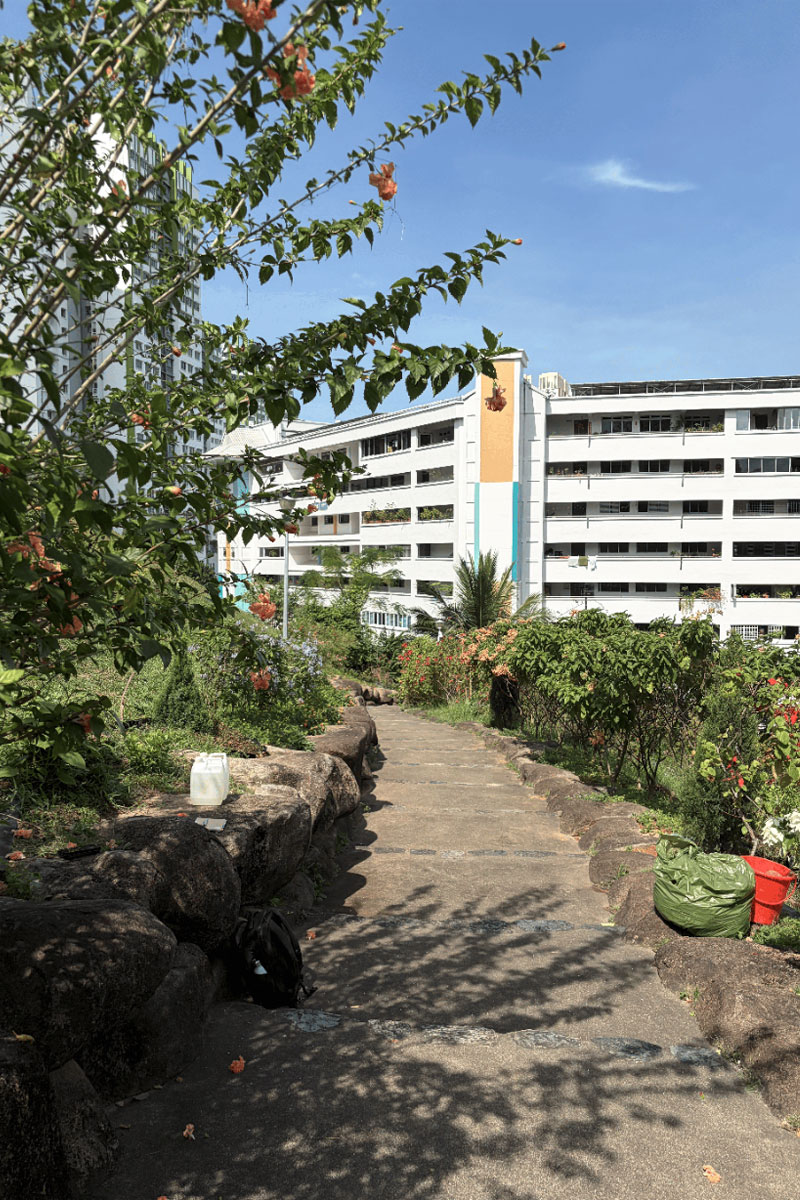
A Tall Task
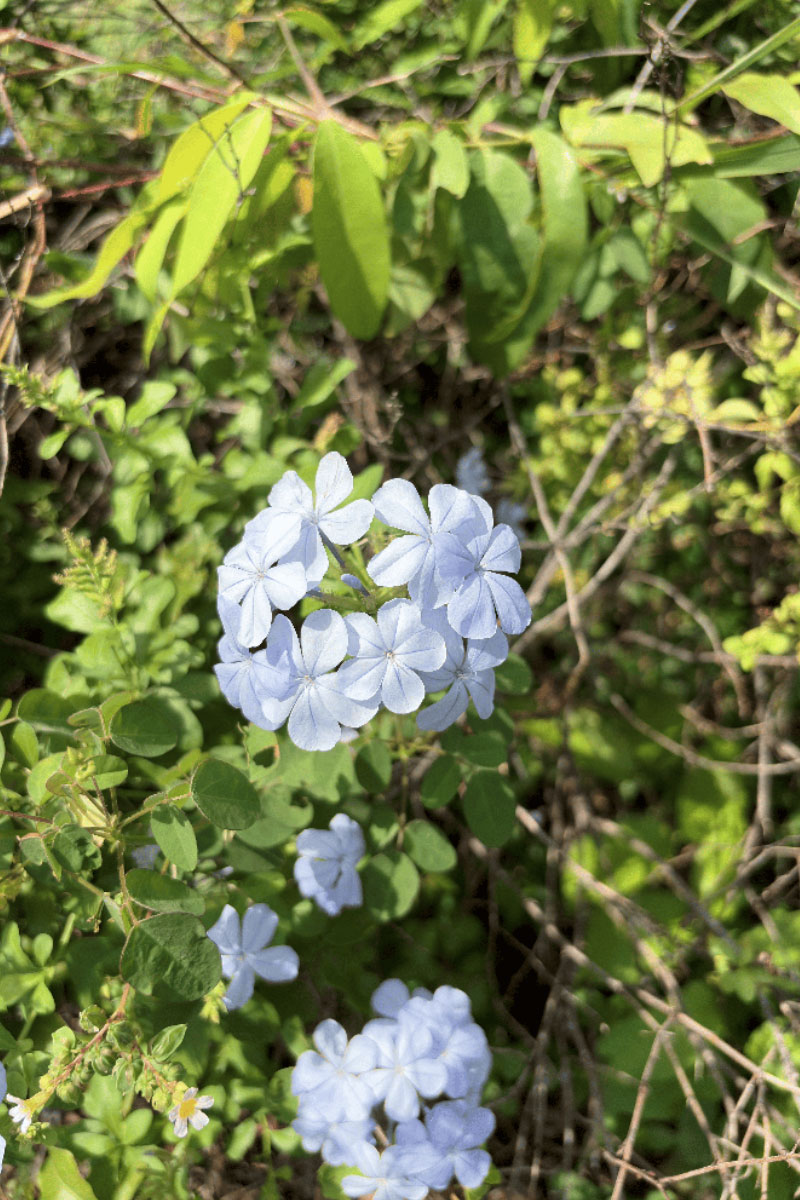
Back when WBG was starting out, there were frequent infestations of “pests” like snails. Rather than rush to put out snail pallets, Ganesh chose to forgo the toxic chemical strategy and adopted a more long-term approach. By placing eggshells and rocks around plants, he protected them from snails who were unable to traverse the sharp edges. It was a temporary measure that tided the garden over until the snail-eating flatworm population grew to counter the snail problem. Ganesh points out that what we consider “pests” are actually part of the ecology. With a tender and steady hand, nature would eventually balance herself out . Today, snails are no longer an issue for the garden.
Consistency is key to keeping a flourishing garden. To counter another initial insect infestation, he used to spray chili and garlic water on the plants. It did not yield the instant results of a pesticide, but with consistent application and care, the infestation subsided. Ganesh remarks that if a garden has absolutely no “pests”, then it is barely a garden at all.
Growing a garden is ultimately a long and slow process but WBG stands as living evidence to Ganesh’s approach. He has resisted introducing endangered species to the garden, wanting to prove that by simply supporting nature, biodiversity can heal itself. Already, the Clipper Butterfly, thought extinct in Singapore, and the endangered Common Birdwing Butterfly have been spotted flitting through the foliage of the garden, all without artificial introduction.
As part of this approach, Ganesh pays extra attention to the soil—the foundation of growth. Over the last six years, Ganesh has put in a lot of work into nursing the soil back to life. It is one of few things he emphasises not to overlook. If the soil is healthy, nature will take care of the rest.
With his professional background as a chemist, Ganesh brings a scientific approach to his gardening efforts. One gripe he has is that some gardeners simply dump fertiliser and other chemicals into the soil without understanding what it does to the soil. When in doubt, he suggests underfertilisation. Everything in moderation, he cautions. The soil amendment mix that Ganesh uses is carefully considered, and is adjusted to the needs of the garden.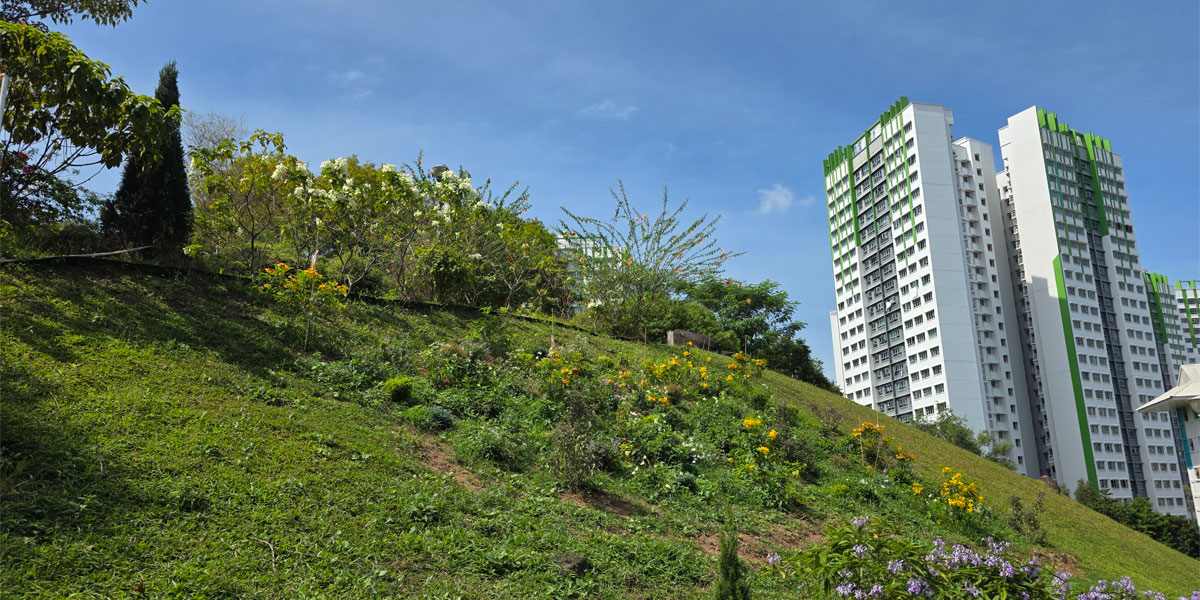
A Community Challenge
Despite his considerable knowledge, Ganesh doesn’t pretend to know everything. He continually seeks advice and help from farmers and other community gardeners whenever he runs into problems. Even though most other community gardens in Singapore focus on growing edibles like fruit or vegetables, he is always interested in finding out what works for them and seeing if it works for WBG. Besides advice, Ganesh also exchanges seeds and cuttings with other community gardens in Singapore.
When considering the landscape of community gardens in Singapore, Ganesh points out that WBG fills a gap as a biodiversity-focused garden on an incline. There is no other garden like WBG.
Ganesh feels that the challenge of gardening on an incline and the focus on biodiversity is why his volunteer base skews toward youth. Youth aren’t as interested in bringing home fruit and vegetables as older folk tend to be. The same youth also help with the garden’s social media game. He concedes that there is a noticeable quality difference in the posts he puts out himself, compared to those the volunteers put out which get more recognition.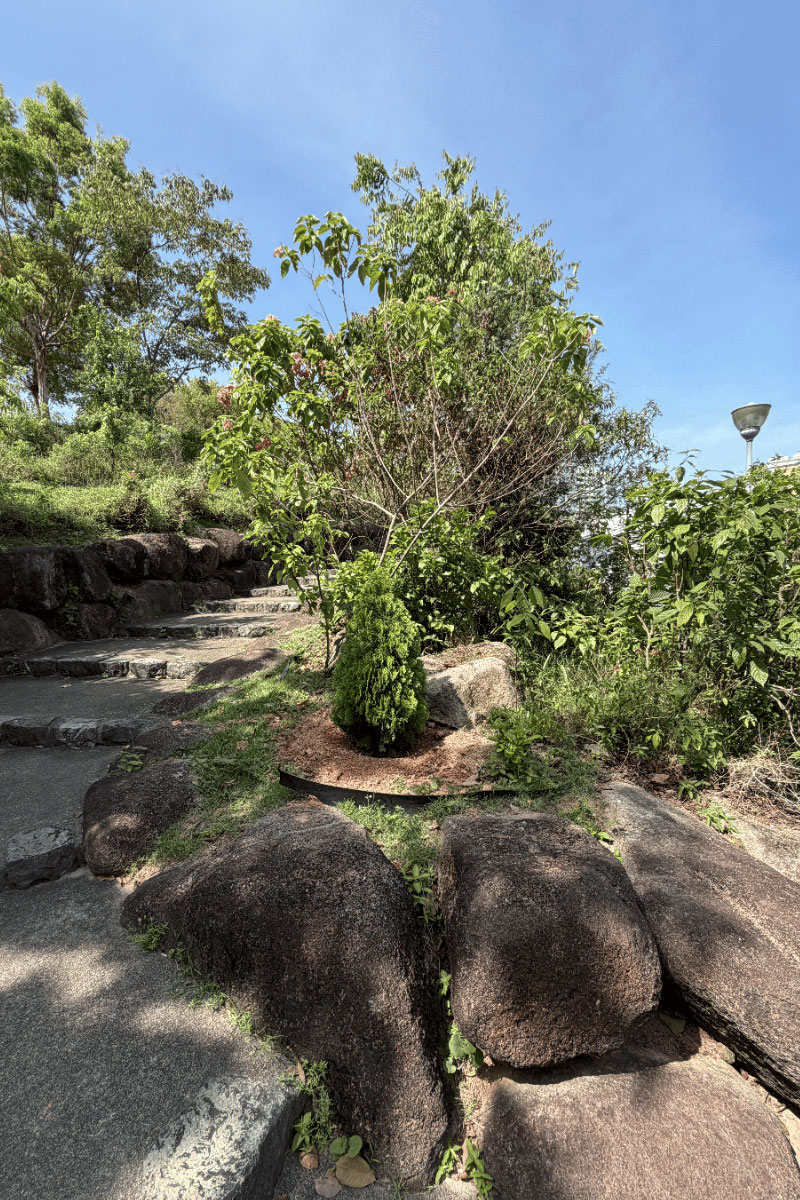
Setting an Example
While the garden has its good number of volunteers, Ganesh still does a lot of the work himself. In the morning, Ganesh acts as chairman of WBG, walking the garden, watering the plants and tending to the flowers. He is also the one that does most of the updating of the WBG website and instagram, and is the primary contact for the garden. As chairman of WBG, he doesn’t see his role as delegator but as the primary carer for the garden. He jokes that he is the chairman of WBG not because he is better than anyone else, but because someone needs to “take the blame” for any problems that may arise.
After lunch, he is a tuition teacher, a job he took up to accommodate his gardening activities. Much of the expenses for the garden comes out of the 41-year-old’s pocket—he provides things like tools, plants and fertiliser for the garden.
Beyond time, money and physical effort, Ganesh also puts a lot of thought into the garden. He is always listening to the ground, trying to adjust the events and activities to fill in gaps that the community identifies. He is also the one that came up with the name “Woodlands Botanical Garden” and its multi-coloured logo.
Many assume that the logo is multi-coloured to represent the myriad colours of the garden, but Ganesh says that the colours are meant to symbolise all the different “ribbon” projects in Singapore, demonstrating his heart for the community.
Green Ribbon - Supports Mental Health
Green and White Ribbon - Anti-drug movement
Purple Ribbon - Supports People with Disabilities
Red Ribbon - AIDS Awareness
Yellow Ribbon - Supports Ex-offenders
Pink Ribbon - Breast cancer awareness
As for the name, Ganesh defies any visitor to dispute the title of “Botanical Garden”. A simple walk through the garden is enough to prove WBG’s case. Lush and brimming with life, the garden has as high a density of biodiversity as anywhere else in Singapore, including the “official” Singapore Botanic Gardens.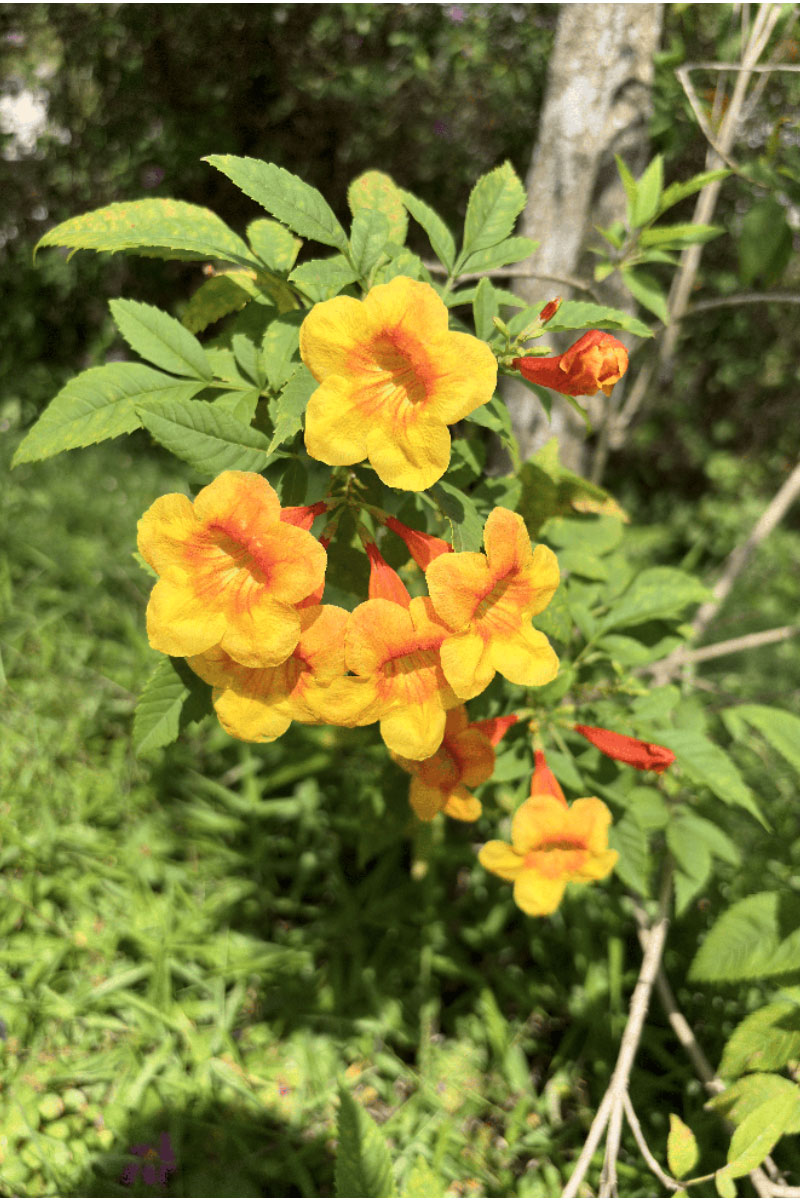
Future Growth
What plans does Ganesh have for WBG? Things like conservation are on his mind, though it takes considerable resources. More imminently, Ganesh is working on reworking certain sections of the garden, including the summit, replacing dying older plants and plants ruined by vandals.
But in line with his slow and steady approach, Ganesh doesn’t really have a set timeline to when things would be done. Instead, he is more focused on creating a space for community through the hosting of more events like concerts.
As to grander ambitions?
“We want to put the North on the map,” Ganesh freely admits.
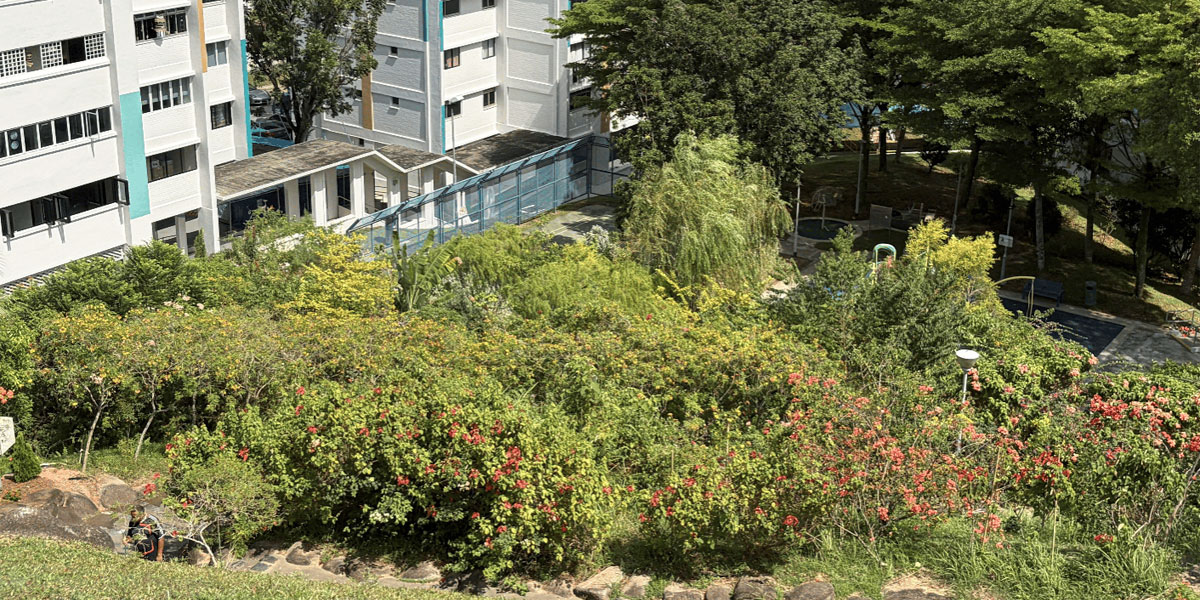
If you want to try your hand at gardening, or simply want to go butterfly-spotting, head down to 134 Marsiling Rd, Singapore 730134. Visit https://woodlandsbotanicalgarden.com/visit-us/ for more details on how to get to WBG. (remember, it’s Berth 13, not 3)
Follow WBG on Instagram @woodlandsbotanicalgarden to find out when the latest events are happening.